Climate Resilience in the Cultural Sector Conference
On Friday 6 March we welcomed over 200 delegates to the British Library Knowledge Centre to discuss how cultural sector organisations can become more resilient to climate-based challenges.
Professor Jason Lowe, Met Office Principal Fellow and Head of Climate Services opened the day with a sobering yet inspiring look at future climate predictions. Emma Howard Boyd, Chair of ClientEarth's Group Board and ClimateArc, and co-Chair of Climate Resilience for All, was in conversation with Bob Ward, Chair of the London Climate Ready Partnership to discuss the huge role cultural organisations can play in driving and advocating for action.
Conference sponsors Arup chaired a panel including the British Library, V&A and Hampshire Cultural Trust looking at the approaches they’re taking to understanding and building in climate resilience to their organisational strategies. A range of brilliant speakers from Derby Museums, IWM, Shade the UK,and the Horniman Museum and Gardens shared their tactics for responding to direct climate impacts.
Afternoon breakout sessions included a workshop interrogating our personal responses to the climate emergency and subsequent policy needs, and a practical session on planning for heatwaves which included identifying direct impacts and cascading impacts. Breakout panels and presentations included a slot for funders with speakers from Arts Council England, the Linbury Trust and Ashden talking about the key role funders play in sector advocacy and support, alongside investment. Elsewhere sessions covered: the use of data for communicating effectively about climate change; monitoring to determine future scenarios; using thermal modelling to assess adaptations; and learning from museum experiences of climate impacts.
The conference was organised by NMDC and partners Fit for the Future Network, ALVA, the V&A, the Cultural Sector FM Hub and hosts the British Library. In the final session of the day delegates were asked to highlight the issues they’re most concerned about which included heatwaves, flooding and storm damage, and the cost of action and inaction.
Also: we invite you to continue the conversation at an online follow up event - Climate Resilience in the Cultural Sector: Next Steps (Online Workshop), Thursday 18 June 10.30-12 noon. Eventbrite
The full programme for the ICOM UK 2026 Conference has been announced which includes a keynote from Dr Sascha Priewe, Director of Collections & Public Programs, Aga Khan Museum and President, ICOM Canada. Taking place in Oxford from 16-17 April the event will focus on 'museum diplomacy in action' and showcase practical examples of how museums can engage in cultural diplomacy to bridge cultural divides, address global challenges, stimulate collaboration, strengthen and heal international relationships. The conference will take place across five of Oxford’s museums - Oxford University Museum of Natural History, Ashmolean Museum, Museum of Oxford, Pitt Rivers Museum, and History of Science Museum, online member one-day access is available from £65.71 with full conference attendance for members at £163.22 and non-members £217.39. ICOM UK
British Museum raises £3.5m to save Tudor Heart Pendant
The British Museum raised the £3.5 million of funding needed to acquire the Tudor Heart Pendant for its permanent collection. The campaign to acquire the unique 24-carat-gold pendant linked to Henry VIII and his first wife Katherine of Aragon started last October with the aim of raising enough funding before April 2026. The National Heritage Memorial Fund award, and the overwhelmingly positive public response and major awards from other arts bodies and donations from individual philanthropists, secured the campaign's success. Over 45,000 people gave individual donations totalling £380,000 to the campaign – over 10% of the total. Other major donations came from the Julia Rausing Trust which gave £500,000, Art Fund, including a contribution from The Rought Fund, who gave £400,000 and the American Friends of the British Museum who gave £300,000. The Tudor Heart will remain on view in Room 2: Collecting the World. British Museum, BBC, Museums Association
Also: Objections raised to British Museum’s visitor pavilion and landscaping plans, Museums Association
Also: Why I am funding the Bayeux Tapestry’s show at the British Museum, Independent (£)
The Art Newspaper (£) reported that the National Gallery has begun a ‘voluntary exit scheme’ to tackle an £8.2m deficit in the coming year. In the current financial year, which ends in March, the gallery expects to face a deficit of around £2m. Unless decisive remedial action is taken now, the 2026-27 deficit is estimated to grow a further £6.2m, totalling £8.2m. A subsequent Guardian article says the deficit was a result of considerably increased running costs and stagnant income, and that the gallery would be looking to cut spending in areas “such as public programmes, and activities where, for a number of reasons beyond our control, we can no longer justify their costs”. The National Gallery’s visitor numbers have still not recovered to their level before Covid, when it had six million a year. The figure for the 12 months to September 2025 was 3.8 million (the Sainsbury Wing closed in Feb 2023 and opened in May 2025). Noel McClean, the deputy general secretary of Prospect, said: “That a major gallery is in such a dire financial position shows just how difficult things are in the sector. It is becoming increasingly clear that the level of funding for these vital cultural institutions is nowhere near sufficient and we are paying the price with the loss of skilled workers."
An official picket line of more than 100 staff attended the London Museum Docklands site on Thursday 19 February as part of a day of strike action across the museum’s three sites. The walkout was the first day of industrial action by staff over pay. Action short of a strike, including an overtime ban and the refusal of voluntary duties, began the following day and will run continuously until the dispute is resolved. Museums Association, BBC, Prospect, M+H Advisor
Two new permanent galleries open at NMDC member venues
The World Museum in Liverpool has welcomed back its beloved Dinosaurs and Natural World gallery which reopened to the public on Saturday 14 February following a refresh, under the new name of Wild World: Dinosaurs and Natural History. The gallery, which houses the museum’s dinosaur, animal and habitat displays, closed to the public in November 2025.
At Derby Museums a £250,000 grant from the National Lottery Heritage Fund supported a major redisplay of archaeology and natural history collections at Derby Museum and Art Gallery. The Unearthed Gallery had not been overhauled in over 30 years and includes Bronze Age finds recovered from the wetlands of the River Trent and Ice Age material from Creswell Crags. National Museums Liverpool, Derby Museums, M+H Advisor
Members in the news
Tony Butler, Executive Director of Derby Museums, joins Art Fund Museum of the Year Judges, Art Fund
'Challenging' roof repairs to city museum begin, Discovery Museum, 14 February 2026, BBC
‘The quiet choreography of women in rooms of power’, Sara Wajid, Co-CEO Birmingham Museums Trust, 11 February 2026, M+H Advisor
Sir John Soane’s Museum launches Minecraft Education world, 3 February 2026, M+H Advisor
Scaffolding to reveal HMS Victory areas unseen for 260 years, National Museum of the Royal Navy, 2 February 2026, M+H Advisor
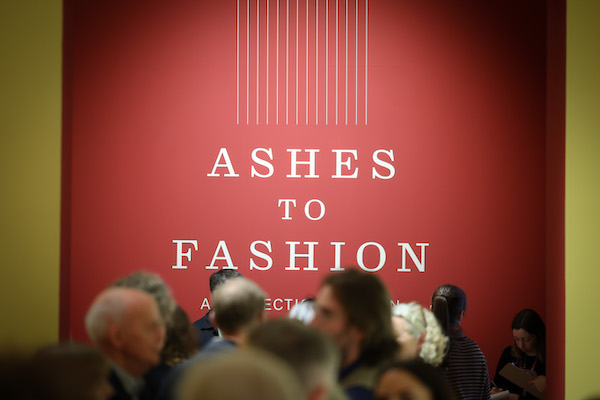
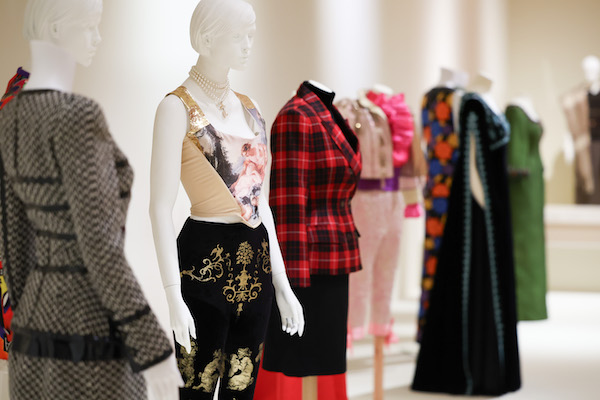
Images this month celebrate the opening of Ashes to Fashion at Ulster Museum, National Museums NI. On 11 November 1976, a devastating fire at Malone House in South Belfast - where the Ulster Museum's fashion collection was being stored at the time - led to the near-total loss of the original costume and textile collection. Ashes to Fashion, the first major fashion and textile exhibition at Ulster Museum in 15 years, charts the remarkable story of how the collection was rebuilt. It marks fifty years of extraordinary work by a succession of curators, beginning with Elizabeth McCrum, conservators and other museum staff. The exhibition is on until Sunday 13 September. National Museums NI
The Department of Education published the Schools White Paper 'Every Child Achieving and Thriving' on Monday 23 February. The Government sets out the plans noting that 'Life chances for disadvantaged children and children with SEND will be transformed as the government sets out plans to rebalance the school system and cut the link between background and success.'
The Schools White paper sets out:
A new attendance target to recover 20 million school days per year by the end of the 2028/29 academic year compared to 2023/24, equivalent to 100,000 more pupils attending school full time and the fastest rate of improvement in over a decade.
Piloting new retention incentives of up to £15,000 for newly appointed head teachers to work for sustained periods in parts of the country that need them most.
School teachers, leaders, and support staff will see their maternity pay boosted for the first time in over 25 years, helping more women to stay on in the profession and thrive.
Plans for new ‘School Profiles’ – an information service for every school that will act as a one-stop-shop for parents, showcasing key information around attendance, attainment and enrichment.
A commitment to develop minimum expectations for schools around engagement with parents, for example timely communication and high quality transition from primary to secondary.
Exploring a new progress measure to better capture the progress and achievements of children who start secondary school significantly behind their peers.
Alongside the white paper Government is consulting on proposals to reform the special educational needs and disabilities (SEND) system. It proposes changes to improve outcomes for children and young people with SEND, including early, fair support, with shared accountabilities across local partners. The consultation closes on 18 May. Gov.uk (press release) Gov.uk (policy paper) Gov.uk (SEND Reform consultation)
Also: a national commission is 'rethinking access to creativity for young people' - led by the Centre for Young Lives in partnership with the Roundhouse, the commission has opened a call for evidence which closes on 12 April. Young Creatives Commission
NAO report into museums and galleries shows boost to self-generated income
Published on Monday 9 March the National Audit Office (NAO) report looks at the 15 museums and galleries (M&Gs) sponsored by the Department for Culture, Media & Sport (DCMS) and shows that they increased their total self-generated income by 53% in real terms from 2021-22 to 2024-25, to £563 million, reaching the level achieved before the pandemic despite lower visitor numbers. It looks at the ways museums and galleries have boosted their self-generated income through a range of innovative and commercially minded approaches, such as venue hire, donations and membership schemes, paid-for visitor experiences, hospitality and retail.
It also highlights the risks involved where organisations have drawn on their financial reserves and sought to contain costs through approaches such as reducing staff expenditure: for example by making redundancies, not filling vacancies, having fewer staff on duty and retraining staff in both security and museum guide duties. Self-generated income sources are riskier – for example, 'blockbuster’ exhibition income is volatile – while cost containment measures may impact museums and galleries’ ability to preserve their collections and maintain free access.
There are indications that the museums’ and galleries’ overall financial position had worsened by early 2025, with some requiring additional funding from DCMS to continue operating. Recommendations for DCMS include:
Identify a set of indicators of museums’ and galleries’ financial resilience to identify potential early warning signs of financial difficulty
Communicate to the M&Gs the factors it considers when deciding their annual funding allocations
Communicate a plan setting out how it will support sharing of good practice
The NAO also recommends that museums and galleries should:
Take the opportunity provided by the current multi-year Spending Review period to establish financial plans that reflect the greater certainty over government funding
Agree collectively how they can consistently capture data on key costs to facilitate more insightful comparisons between institutions
Review whether their financial management capability is sufficient to manage future risks and seek to address any gaps they identify NAO
On Thursday 5 March MPs discussed support for local museums in a Westminster Hall debate. A number of MPs from around the UK spoke about their local museums, the importance they have for preserving and making available local history and the strategic role of volunteers whose contribution should not be over looked. Alongside recognising the financial challenges that these essential local services face in maintaining their buildings and collections it was acknowledged that Local Authority funding cuts were having a huge impact on local museums. The debate celebrated the contribution that small and independent museums make to the social and economic fabric of the UK. There are mentions of much loved gems including the Brunel Museum in Rotherhithe, Bexhill Museum, Clydebank Museum and Charles Burrell Museum in Thetford and NMDC members including Tullie in Carlisle, Ulster Folk Museum and Derby Museums are also featured. DCMS’s £1.5bn package of investment into cultural organisations across England over a five-year period was welcomed. Tom Gordon, MP for Harrogate and Knaresborough said of local museums “They are not just cultural assets: they are community anchors.” Parliament.uk, Parliament.uk (Watch the debate), Hansard (full text of debate).
Also: Government ‘will not neglect local museums’, pledges arts minister, Museums Association
MPs write to Government over cultural venue restoration funding deficit
Following the report last month from Purcell into the repair, maintenance and renewal needed in the English cultural sector, MPs have written to Culture Secretary Lisa Nandy voicing concern following the £2 billion funding gap for works that require an estimated £7 billion, £3 billion of which is deemed urgent. The letter stresses the importance of theatres, museums, galleries, and grassroots arts venues, and requests clarity on Government action to address funding shortfalls, coordinate sector-wide responses, and build skills for long-term sustainability. Parliament.UK, Gov.uk (Purcell report)
Also: £7bn needed for heritage repairs an ‘underestimate’, says Heritage Alliance, Arts Professional (£)
Review into benefits of claiming cultural tax relief
This independent review commissioned by Arts Council England in partnership with culture sector organisations including NMDC focuses on cultural tax reliefs and the impact of the enhanced relief rates against economic, cultural, and social outcomes. It covers the UK’s cultural tax reliefs – Theatre Tax Relief (TTR), Orchestra Tax Relief (OTR) and Museums & Galleries Exhibition Tax Relief (MGETR) which were introduced between 2014-2017. The review highlights that as of April 2024, museums and galleries have claimed £115 million in MGETR since April 2017. It shows that organisations claiming tax relief saw improvements in their financial performance, cultural output and social impact. Page 56 onwards also looks at the potential impact of including running costs of exhibitions or displays in the tax relief. Survey respondents reported that exhibition running costs account for 5.3% of their total operating expenditures. ACE (website), ACE (review, pdf, 86pgs), Museums Association
Want to know more about MGETR? Sign up to The Exhibitions Group free webinar on Monday 23 March 2026. 12.30-1.30pm. TEG
Also: Cultural Tax Impact Review: Unanswered questions, Arts Professional (£)
Also: Former Culture Minister suggests ACE in need of leadership refresh, Arts Professional (£)
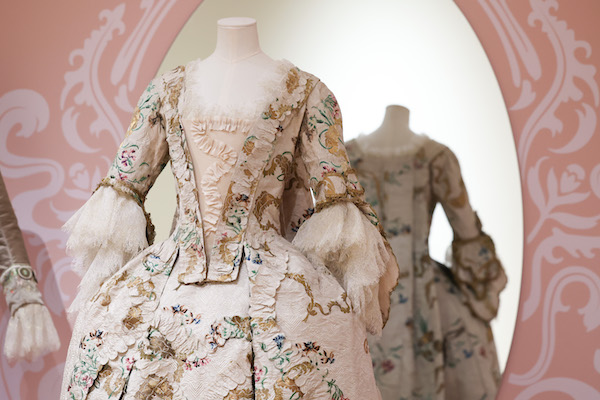
Ashes to Fashion - Ulster Museum, National Museums. Open now until Sunday 13th September 2026. ‘Belvedere’ robe à la française, Unknown Maker.
Art UK celebrates 10 years and welcomes a new Chair
On 24th February 2026 Art UK celebrated ten years of one of the most extensive arts partnerships ever put together in the UK, linking collections in the Shetland Islands to those in the Isles of Scilly. The platform now hosts a million artworks from almost 3,500 venues, as well as the public art in our streets and squares. Art UK’s Director and Chief Executive celebrated the occasion with a blog reflecting on a decade of connecting the sector, in which he highlights the need for closer collaboration between AHRC/TaNC and the museum sector about shared digital infrastructures for sharing our cultural heritage: "For deeper collaboration between HE and museums there needs to be a better articulated vision around how both research and mainstream audiences can benefit from the vast store of cultural content that we all want to see digitally connected and made accessible.“ Ben Terrett CBE was also named as the charity's new Chair. Terrett is the CEO and Co-Founder of Public Digital, he played a key role as Director of Design at the Government Digital Service in leading the design team that launched GOV.UK. Art UK (blog), Art UK (Ben Terrett announcement), Guardian
HMRC tax digitisation changes for the sector’s freelancers
From April 2026, Making Tax Digital (MTD) for Income Tax will transform how self-employed individuals and landlords manage their tax. Self-employed individuals will no longer fill out their tax return all at once, Instead, they’ll split and spread the admin throughout the year. What’s changing?
This new way of doing tax returns requires compatible software to:
create, store and correct digital records of their income and expenses.
send quarterly updates to HMRC.
submit their tax return by 31 January the following year. Gov.uk, Arts Professional (£) - (Guide for Freelancers)
Opportunities in Ireland with the Heritage Council
The Heritage Council is refreshing its panel of expert assessors for the Museum Standards Programme for Ireland (MSPI) for the 2026–2029 period. Established in 2004, MSPI supports museums, galleries and cultural heritage organisations in achieving and maintaining high standards in collections care, governance and visitor experience. More than 80 organisations across Ireland are currently accredited through the programme. The Heritage Council is inviting applications from suitably qualified and experienced museum and cultural heritage professionals to join this assessor panel. Applicants should have a minimum of five years’ relevant professional experience in museums or cultural heritage organisations. Application deadline is 31 March. Heritage Council
On 18 May 2026, museums worldwide will mark International Museum Day under the theme “Museums Uniting a Divided World”. The theme highlights the potential of museums to act as bridges across cultural, social, and geopolitical divides, fostering dialogue, understanding, inclusion and peace within and between communities worldwide. A vital advocacy role that museums can play in this fractured time. ICOM invites all members of the international museum community to participate in International Museum Day 2026 and translate the theme into locally meaningful action, including participatory programming, partnerships, and accessible experiences that strengthen belonging and trust. ICOM
Retrofit or Ruin? Climate adaptation for heritage report
A new report from Grosvenor is a timely reminder that Climate adaptation is no longer a distant prospect but a present and accelerating challenge. Retrofit or Ruin: Planning for the future of heritage report shows that only 16% of local authority officers feel confident in making decisions on heritage retrofit and 87% of historic building owners see the planning system as a major barrier to adapting their properties. The 17 page report has wider recommendations for planners and decision makers on changing the current system to make adaption easier and ultimately to safeguard heritage for the future. Grosvenor
The Local Climate Engagement Hub is a toolkit built for local authorities who want clear, practical steps, to run effective public engagement. In particular the resource library has some useful step-by-step processes for involving the public and local communities in the decision making process around their climate work. It also has tips for recruiting participants and detailed information on recompensing participants. Local Climate Engagement Hub
New Green Book for the arts sector - early research
The Design Museum, working in partnership with Metal and UP Projects, have received a grant from Arts Council England to explore and hopefully develop a new version of the Theatre Green Book for those working in exhibition making, commissioning and artistic production. This book will support organisations (including museums and galleries), artists and freelance creative professionals/practitioners who are keen to reduce the environmental impact of their work.
If you’d like to be involved, and are happy to share your details with the Design Museum, Metal and UP Project please complete the online form to register your interest. Office Form
CultureHive's Green Action Hub, is a dedicated space bringing together tools, case studies, and expert insights to help arts organisations navigate their environmental journey. From measuring your carbon footprint to engaging audiences in climate conversations. Resources include how to run a basic website carbon audit, integrate sustainability into a fundraising strategy and the most frequently asked questions around digital sustainability. AMA
The debate on free entry to museums was raised again following comments by artist Dame Tracey Emin on the opening of her new blockbuster show at Tate Modern. She said it was important for Britain’s museums to remain free but that a greater contribution from those who could afford it would make a huge difference. Emin said: “… I would also say if you are someone like me [one of the country’s most successful and wealthiest artists] you should join the membership for every museum you go to, or you should tap and make a donation every time you go there and that would make a hell of a difference,”. Times (£)/ Independent (£). Following news of a financial deficit at the National Gallery (see member news) the Independent (£) looked at the issue of who should pay. Arts Professional (£) also published an ‘explainer’ looking at the background to free museums.
English Civic Museums Network outlines strategy for investment
The English Civic Museums Network (ECMN) has published a new vision document that highlights how civic museums deliver £8bn in social value each year from a ‘Distributed National Collection’ of more than 500 institutions. The report also underlines the scale of financial pressure facing the sector, with local authority museum funding having fallen by more than a third since 2011 – a real-terms loss of over £100 million a year. While many museums continue to innovate, hundreds remain at risk without long-term structural reform. Whilst welcoming recent support from DCMS the report argues that new, strategic investment, totalling £120 million a year, will deliver a dramatic levelling up of cultural and heritage participation, based on increased innovation, productivity, participation and partnerships, which delivers a wide range of societal benefits. The ECMN is open to any local museum to join. Birmingham Museums (press release), ECMN (report, pdf, 57pgs), Museums Association
On the 3 March, Arts Council Northern Ireland announced the 12 organisations that had secured investment from Arts & Business NI Blueprint programme to bring their long-term growth projects to life with thanks to £320,000. The Blueprint programme is designed to break the cycle of short-term funding by equipping the arts sector with the capital and commercial skills needed for long-term financial stability. Arts Council NI. Other notable projects receiving funding in Northern Ireland include the DNA Museum and Ulster Folk Museum - ‘Millions for Northern Irish museums a ‘vote of confidence’ in power of culture’, Arts Professional (£). The Stage (£) reported on comments by a former Chief Executive of English National Opera, Seán Doran, currently Artistic Director of Arts Over Borders, who condemned a lack of funding for the arts in Northern Ireland compared with the rest of the UK as "pathetic and derisory". Doran vouched for money to help the country harness the arts to help it "heal" from the Troubles.
A round-up of sector financial pressures and news:
‘Entirely appropriate’ to channel tourist tax proceeds into culture, Southbank boss says, Arts Professional (£)
Council faces questions over decision to move Walsall Leather Museum, Museums Association
Carpet museum reopens after £50,000 lifeline - Kidderminster, BBC
Reopening of Glasgow's People's Palace delayed indefinitely, BBC
Creative Scotland raises alarm over 'deeply worrying' council cuts, Herald (£)
Military museum negotiates with MoD in bid to reopen, Dorset, BBC
Property developer buys former mill museum, Yorkshire, BBC
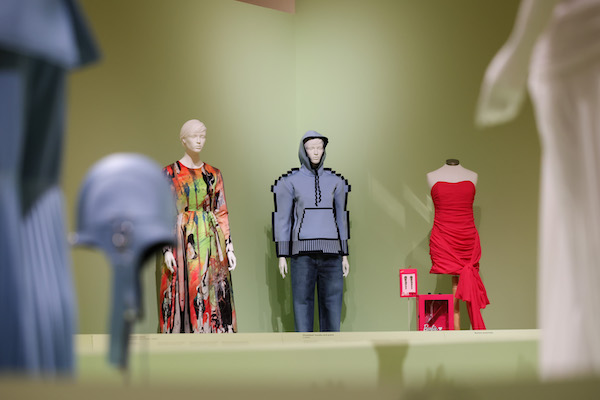
Ashes to Fashion, Ulster Museum, National Museums NI. The 'pixelated' hoodie and jeans outfit by Northern Ireland-born designer Jonathan Anderson for Loewe, Spring/Summer 2023.
On the 7 March the Guardian published research based on Freedom of Information requests that found UK museums hold more than 260,000 items of remains in their collections. The remains include whole skeletons, preserved bodies, such as Egyptian mummies, skulls, bones, skin, teeth, nails, scalps and hair. The Guardian revealed that 37,000 items of human remains are known to originate from overseas, including thousands from former British colonies. The countries of origin of another 16,000 items are unknown. Lord Paul Boateng, a former Labour cabinet minister, said the vast scale of the collections of human remains held in the UK was “frankly sacrilegious and deeply spiritually offensive”. He called on the DCMS to create a national register of human remains and issue mandatory guidelines for their timely return, wherever possible, to their countries and peoples of origin. Guardian, Gov.uk (Guidance for the care of human remains in museums, 2005)
University of Cambridge transfers 116 historic sculptures
The University of Cambridge has transferred the ownership of 116 Benin bronzes to Nigeria’s National Commission for Museums and Monuments (NCMM), operating under a management agreement with the Benin Royal Palace. The decision follows the formal request from the NCMM, made in January 2022, for the return of artefacts taken by British armed forces during the sacking of Benin City in 1897. The University’s Council supported the claim and authorisation from the UK Charity Commission was subsequently granted. Seventeen pieces will remain on loan and on display at the Museum of Archaeology and Anthropology, for three years in the first instance, to be accessible to museum visitors, students and researchers. University of Cambridge, Museums Association
The Ashmolean Museum in Oxford has returned a 16th century bronze statue to the Government of India after it was found to have been taken from a Hindu Temple. The Ashmolean acquired the statue in good faith in 1967. According to the Sotheby’s catalogue, the bronze was sold by the private collector, Dr J R Belmont (1886–1981). There is no information on how the bronze entered his collection. Ashmolean Museum, Museums Association
Also: Loot does not become heritage because it has aged well, Museum ID
Also: British Museum defends ‘value of collaboration’ in wake of Benin Bronzes restitution, Arts Professional (£)
The UK Government has named 12 cultural organisations that will take place in the pilot phase of a digital marketplace where digitised cultural and creative assets can be purchased by AI developers. The Creative Content Exchange will be a marketplace to sell, buy, licence and enable access to digitised cultural and creative assets so they can be licenced at scale. It will explore how their digitised content can be used by consumers, technology companies and AI developers, while respecting the rights of creators and copyright owners. This includes testing a range of commercial models for licencing, with the aim of launching an operational pilot platform by Summer 2026, delivering on the Industrial Strategy commitment. The marketplace is part of the government’s R&D Missions Accelerator Programme, first announced in June 2025. Gov.uk, Museums Association
Also: Art Fund webinar - How to create an effective AI policy for your arts organisation, Tuesday 14 April 3-4pm, Art Fund
New guide tackles Chair-CEO relationships in cultural sector
Arts Council England has published guidance to support working relationships between chairs and chief executives across the arts and cultural sector. Developed by Fiona Allan in partnership with Clore Leadership and the Cultural Governance Alliance, the guide offers practical advice, resources and templates to help organisations build effective governance, clarify roles and create conditions for productive leadership. ACE, ACE (guide, 15pgs), M+H Advisor
Clore have introduced a brand-new online course for early to mid-career culture sector workers who are curious to explore who they are as a leader. Finding Your Leadership is an introduction to Clore Leadership’s offer for those new to leadership-focused development, and a great refresher for anyone looking for some structured support to re-engage with their leadership identity and ambitions. It is a 4-week online introductory course for those employed in organisations as well as those who are freelance. The welcome week begins on 23 March and finishes on week 4 on 4 May. Course fees are £180. Clore
Clore and the Cultural Governance Alliance have a free equality, diversity and inclusion benchmarking tool which helps you take a structured, reflective look at current practice so you can identify gaps, set realistic goals and strengthen the foundations for a more inclusive, effective board. By using this benchmark, your organisation can:
Identify Gaps: Review current practices to see where governance changes could support a more diverse board.
Set Goals: Establish clear, achievable targets for evolving your governance arrangements based on identified needs.
Measure Progress: Track your efforts and demonstrate accountability through regular assessments. Clore
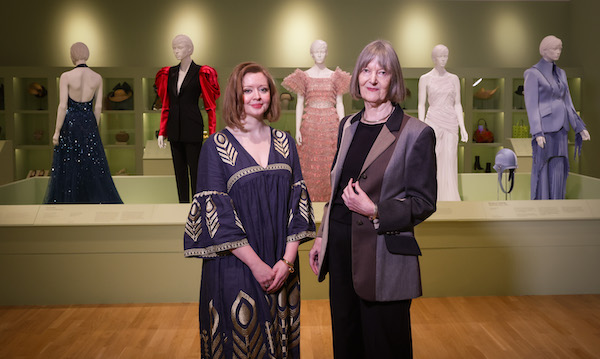
Ashes to Fashion, Ulster Museum, National Museums NI. Pictured are Charlotte McReynolds (left), current Curator of Art and Elizabeth McCrum, former Curator of Applied Art for the Ulster Museum.
Screen South’s Accentuate Programme is seeking Expressions of Interest from museums across England to become host partners for a new national curatorial programme, subject to funding. Building on the learning and impact of Curating for Change and Curating Visibility, this programme will place deaf, disabled and neurodivergent curators in museums for long-term fellowships, supporting them to research collections, work with local communities and develop exhibitions, displays or interventions that foreground disability histories, lived experience and hidden narratives. Host museums will receive additional training and support in disability justice, anti-ableism and accessible practice, with a focus on building meaningful community connections, fostering belonging, and understanding why representation and lived experience are central to equitable cultural spaces. The deadline for expressions of interest is 30 March. Curating Visibility
Also: Graeae artistic director faces swingeing cuts to Access to Work support, Graeae
Creative Scotland and the Scottish Futures Trust have launched a new £400,000 pilot fund to help cultural and creative buildings across Scotland adapt to climate change. The aim is to award funding to 8-10 projects and ensure cultural and creative assets across Scotland remain usable, resilient and fit for purpose as climate conditions continue to change. With a strong emphasis on experience and insight, the programme will prioritise projects that are capable of being delivered quickly, and able to demonstrate clear, transferable lessons. The deadline for completed applications is Wednesday 25 March 2026. Creative Scotland
The Museum Work Experience Grant (MWEG) from The Costume Society is intended to support students seeking museum work experience with a dress collection and to help UK museums accomplish projects essential to the care, knowledge and interpretation of collections. A grant of up to £1500 will be offered to a student applying jointly with an appropriate UK-based museum (that receives £500). The volunteer should be a student (minimum second year undergraduate) or recent graduate of an appropriate UK university course. Applications should be made by the curator/administrator of a publicly funded UK museum who will supervise the student. The deadline is 31 May 2026. TCS
The Calouste Gulbenkian Foundation invites arts organisations, including museums and galleries, to apply fora new initiative to help expand programming of international arts in the UK. Gulbenkian Exhibitions Fundwill support exhibitions or showcases of art by living artists from, or based in, Portugal and Portuguese-speaking African countries. Grants of up to £30,000 are available for non-profit institutions or organisations in the UK. Supported work can include visual arts, moving image or film and, within an exhibition context, performance. Applications are open until 27 April 2026. CGEF
Kids in Museums Family Friendly Awards open for nominations
The 2026 Family Friendly Awards, the UK’s biggest family focused museum award, have now opened. It’s completely free to enter and open to museums of all sizes. Just being shortlisted can have a significant impact - including boosted visitor numbers, a raised profile and increased staff morale. Alongside size-based categories, there are also awards for:
Best Accessible Museum: a dedicated accessibility category for museums of any size.
Best Museum Careers Initiative: for museums, galleries and heritage sites who are working to support young people to engage meaningfully with opportunities to learn more about museum careers.
The deadline for applications is Monday 27 April, 5pm. Kids in Museums
Plowden Medal Conservation Award applications open
The Plowden Committee awards the Plowden Medal annually to recognise the individual who has made the most significant recent contribution to the advancement of the conservation profession. Nominations are now open and close on Friday 15 May 2026. Nominations might include any project or other endeavour within the conservation of our shared cultural heritage, which has brought credit to the profession and/or the nominated candidate, more guidance is available from the website. Plowden Medal
Ashes to Fashion, Ulster Museum, National Museums NI. Dame Vivienne Westwood ensemble, AutumnWinter 1990.
The Care-ful Museums Symposium will be held on Thursday 30 April from 10am–4:00pm at the Holburne Museum in Bath, for a day focused on how museums demonstrate care – for volunteers, staff, visitors and the communities they engage with. This symposium accompanies the exhibition ‘The Shape of Care: Making Care Visible’ in which the Pathways to Wellbeing community has explored what care looks like — its presence and absence. Ticket prices cost £32 with an access bursary available from Museums Development South West if you would like to go but face financial or physical barriers, bursaries to cover ticket price, travel, support with physical access needs, or caring costs. Holburne
Early Bird tickets available for the GEM Conference
The GEM Conference will be held on 9 - 11 September 2026 at Bletchley Park Trust and online. The theme of the conference is ‘Learning is Digital?’ The call for papers and keynote speakers will be announced in the coming weeks. Early Bird GEM members tickets for one day are £153.47, non-members £207.63. The full conference Early Bird for members is £356.47 and non-members £609.58. Early Bird sales end on 30 June. Early Bird online access for students/unwaged GEM members is £53.80 GEM
Paisley Museum is set to reopen in the second half of 2026 after a four year delay. BBC
The Haig Colliery Mining Museum in Kells, Whitehaven, closed in 2016 amid financial difficulties is to reopen. BBC
Peace Museum in Saltaire has been awarded £400,000 in capital investment as part of the legacy of UK City of Culture 2025. The government funding will allow the museum to open year-round, having previously closed for a winter break each year, and is expected to enable it to welcome an estimated 15,000 additional visitors annually. The museum is also supported by Arts Council England and the National Lottery Heritage Fund. M+H Advisor
Major work begins on £5m Potteries Museum transformation, M+H Advisor
Southampton Art gallery reopening 'great moment' for city after being closed for over a year. Work carried out to replace some of the roof, windows and other structures cost £2.23m. The vast majority of the money came from the Department for Culture, Media and Sport's Museum Estate and Development Fund. BBC
The Royal Albert Memorial Museum in Exeter has appointed Helen Hartstein as Museum Manager following Camilla Hampshire who was in post for 22 years. Hartstein will shape the museum’s long-term direction and development of its programme. Prior to her appointment as Manager Hartstein was co-leader of the Museum, and joined initially in 2018 as Head of Audience Development. Museums Association
English Heritage has announced Tony Hales as their new Chair, Hales is currently chair of the Associated Board of the Royal Schools of Music. English Heritage
John Giblin has been appointed as the new Director of Collections and Research at Amgueddfa Cymru, he joins from National Museums Scotland where he leads the Department of Global Arts, Cultures and Design. Museums Association
Peggy Hughes will be joining the National Library of Scotland in June as Director of Engagement. Hughes brings a wealth of experience from across the UK literature sector, most recently as Chief Executive Officer at the National Centre for Writing, where she has overseen planning for Norwich's role as England's first UNESCO City of Literature. National Centre For Writing
Melissa Hamnett is joining Historic Royal Palaces as Director of Palaces and Collections, she was most recently Director of Heritage Collections for UK Parliament. HRP
Olivia Colling and Laura Smith have been named as the new Co-Directors of the Hepworth Wakefield, with Colling taking on the role of Executive Director and Laura Smith as Artistic Director. Steve Langan, Chair of The Hepworth Wakefield Trust, said: “The role of museum Director is multifarious, requiring an extremely broad range of skills, experience and knowledge in order to succeed. Olivia and Laura brilliantly complement each other’s strengths.” Hepworth
Relooted: the South African video game where players take back artefacts from western museums, 21 February 2026, Guardian
Barbican arts director to leave, months after revealing creative vision for centre, 16 February 2026, Guardian / Salman Rushdie among 170 figures to sign open letter over Barbican arts lead departure, 19 February 2026, Guardian
Thousands attend county's '100 objects' exhibition, 15 February 2026, BBC
Charity regulator to investigate financial governance at Glasgow’s CCA, 13 February 2026, Museums Association
Adrian Searle to step down as chief art critic of the Guardian after three decades, 12 February 2026, Guardian
If you were forwarded this by someone else and would like to sign up to receive the NMDC newsletter each month in your inbox, visit our website here and drop your email address in the box to the right of the page.